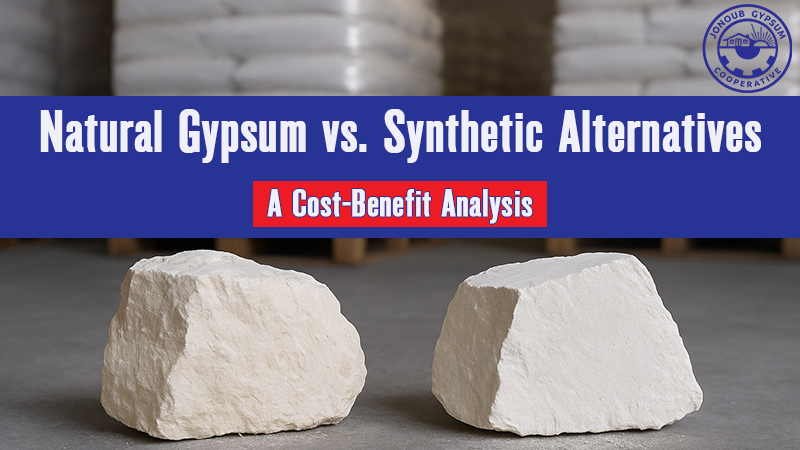
In the construction and manufacturing industries, gypsum is a key ingredient for plaster, drywall, cement, and various other applications. While natural gypsum has been used for centuries, the past few decades have seen the rise of synthetic gypsum, produced as a byproduct of industrial processes such as flue-gas desulfurization (FGD) in coal-fired power plants.
For buyers, contractors, and distributors, the decision between natural and synthetic gypsum is not simply a matter of availability. Cost, performance, sustainability, and long-term value all play crucial roles in determining the smarter investment. This article takes a closer look at the cost-benefit dynamics between these two types of gypsum, with a focus on helping businesses make informed purchasing decisions.
Understanding Natural Gypsum
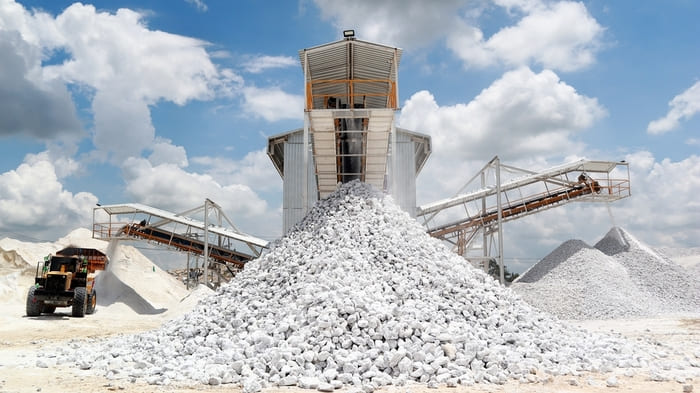
Natural gypsum is a soft sulfate mineral found in sedimentary rock formations. It is mined, crushed, and processed with minimal chemical intervention. One of the defining qualities of natural gypsum is its high purity, especially when sourced from reputable deposits. This purity ensures consistent performance in plastering, cement setting, and other industrial uses.
For industries that demand uniform particle size, predictable setting times, and reliable strength, natural gypsum offers a level of consistency that often requires less processing compared to synthetic alternatives.
What is Synthetic Gypsum?
Synthetic gypsum is chemically similar to natural gypsum (calcium sulfate dihydrate), but it is manufactured as a byproduct of certain industrial operations. The most common form—FGD gypsum—comes from the process of reducing sulfur emissions in coal-fired power plants.
While synthetic gypsum can be purified and processed for use in construction materials, its initial composition can vary depending on the source and production method. This means additional refinement is often required to meet construction-grade standards, which can influence both cost and performance.
Cost Considerations: Purchase Price vs. Lifetime Value
On paper, synthetic gypsum can sometimes appear cheaper, particularly when it is locally sourced near manufacturing plants. However, the real cost must account for more than just the price per ton.
Natural gypsum, with its higher purity, may require less processing during manufacturing, reducing overall production costs for plaster and drywall. Additionally, its consistent performance can minimize waste and rework, which saves money in the long run.
Synthetic gypsum may require additional refining, quality control, and even blending with natural gypsum to achieve the same results—factors that add hidden costs over time.
Performance and Application Benefits
When it comes to setting time, strength, and finishing quality, natural gypsum tends to outperform synthetic gypsum in many applications. This is particularly true in plastering and high-end interior finishing, where surface smoothness and durability are critical.
Synthetic gypsum can deliver acceptable results in many uses, but variability in material quality means manufacturers must monitor batches more closely. For large-scale projects with strict quality demands, this variability can be a significant risk.
Environmental Impact and Sustainability
Both natural and synthetic gypsum have sustainability considerations.
Natural gypsum is a finite resource, but it is abundant and can be mined with relatively low environmental disruption when done responsibly. Synthetic gypsum has the advantage of recycling industrial waste, preventing millions of tons of byproducts from entering landfills.
However, as coal-fired power plants decline in many regions, the availability of FGD gypsum is expected to decrease. This could drive up costs for synthetic gypsum and make supply chains less predictable—an important factor for long-term planning.

Logistics and Supply Chain Reliability
Natural gypsum producers with strong export capacity—such as Jonoub Gypsum—can offer steady, large-scale deliveries to global buyers. This reliability is key for manufacturers who depend on consistent material flow.
Synthetic gypsum sources are often tied to specific industrial plants, meaning supply can fluctuate based on the operation status of those plants. In regions without nearby synthetic gypsum facilities, transportation costs can offset any initial price advantage.
Making the Right Choice for Your Business
The decision between natural and synthetic gypsum ultimately depends on your priorities as a buyer:
- If you need consistent quality, predictable performance, and long-term supply security, natural gypsum is often the safer investment.
- If cost savings are your primary driver and you have reliable access to a high-quality synthetic source, synthetic gypsum can be a viable option.
For many businesses, a blended approach—using both types strategically—offers the best of both worlds. Still, for high-end construction and large-scale export markets, natural gypsum remains the benchmark for quality.
Conclusion: Why Natural Gypsum Still Leads
While synthetic gypsum plays an important role in today’s market, the cost-benefit balance often tips in favor of natural gypsum, especially for industries that cannot compromise on quality.
Suppliers like Jonoub Gypsum combine high-purity reserves with advanced packaging, efficient logistics, and a monthly export capacity of up to 50,000 tons—ensuring that customers worldwide receive their material on time, in perfect condition, and at competitive prices.
When considering your next gypsum purchase, remember: value is more than just cost—it’s the confidence that your material will perform as expected, every time.