
Importing natural gypsum from Iran: The Global Demand
As the construction industry rapidly expands across Asia, Africa, and the Middle East, the demand for natural gypsum has surged like never before. From cement production to gypsum plaster and drywall manufacturing, this mineral plays a vital role in modern infrastructure. Traders worldwide are actively seeking reliable suppliers who can guarantee high purity, consistent quality, and steady monthly supply.
Among all exporters, Iran stands out as one of the world’s most competitive sources, offering premium-grade gypsum at a cost advantage — and Jonoub Gypsum leads that opportunity.
Why Iran Is a Global Hub for Natural Gypsum
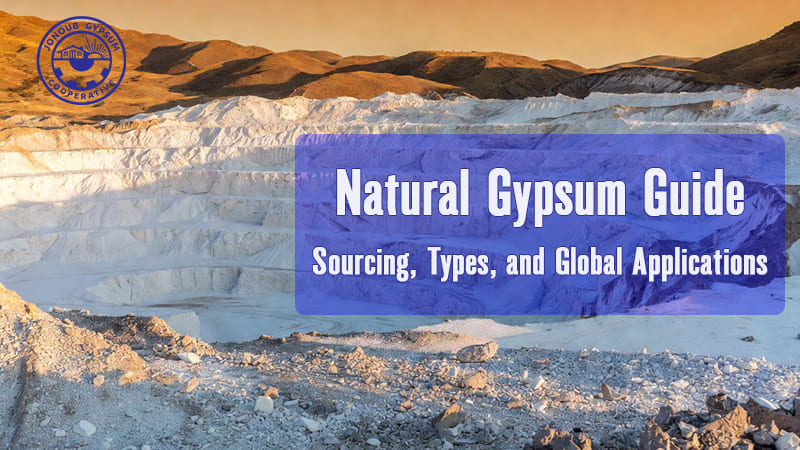
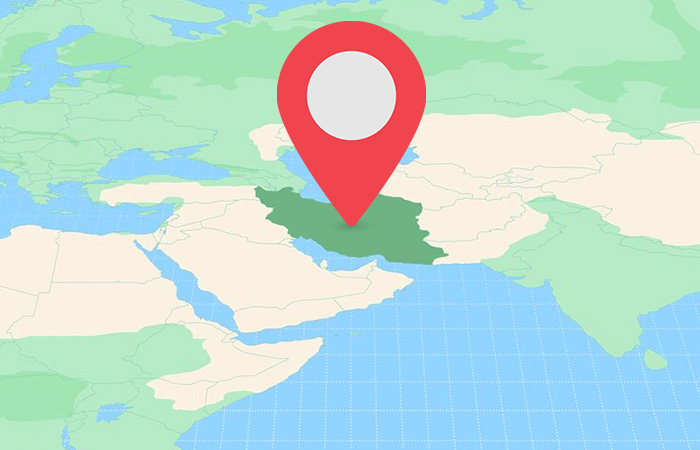
Iran is blessed with some of the purest natural gypsum reserves globally, especially in the southern regions such as Bushehr and Hormozgan. The proximity of these mines to export terminals like Bandar Abbas and Bushehr ports gives Iran a logistics edge, reducing transportation costs for international buyers.
Furthermore, Iran’s gypsum features a high CaSO₄·2H₂O purity level (often exceeding 95%), low moisture, and fine particle distribution — qualities that make it ideal for a range of industries including construction, cement, ceramics, and agriculture.
This combination of quality and accessibility positions Iran as a strategic partner for traders looking to import gypsum efficiently and profitably.
Why Choose Jonoub Gypsum as Your Supplier
Among Iranian suppliers, Jonoub Gypsum has earned its reputation for reliability, scale, and professionalism. With an export capacity of over 50,000 tons per month, Jonoub Gypsum has the infrastructure and experience to handle bulk shipments to neighboring markets such as the UAE, Qatar, Oman, India, and East Africa.
The company’s focus on quality control, modern packaging, and port-side logistics ensures that international buyers receive shipments on time and in top condition. Whether you need raw gypsum rock, fine powder, or custom-sized aggregates, Jonoub Gypsum’s turnkey export services make importing simple and cost-effective.
Key Advantages for Traders and Importers
Partnering with Jonoub Gypsum provides multiple business advantages:
- Stable Pricing: Iran’s local production costs are lower than in most countries, offering traders a competitive price margin.
- High Consistency: Every batch is tested for purity, moisture, and size — minimizing quality variations.
- Flexible Packaging: From bulk shipping to 25/50 kg bags or jumbo bags, shipments are tailored to client needs.
- Efficient Logistics: Direct port access allows for faster loading times and reduced waiting costs.
- Dedicated Export Support: The Jonoub Gypsum export team provides full documentation, customs coordination, and after-shipment tracking.
These features not only make importing smoother but also help traders strengthen their own local market position by ensuring they deliver consistent, high-quality gypsum to their clients.
Market Trends: Growing Demand in the Region
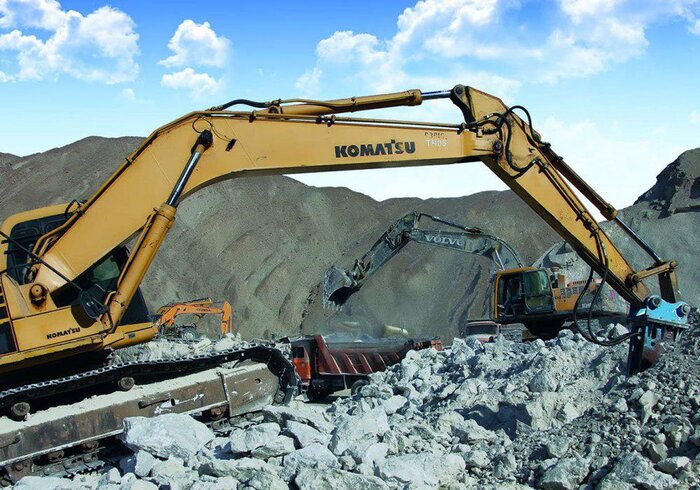
In recent years, major importers in India, Bangladesh, Kenya, Tanzania, and the UAE have significantly increased their gypsum imports from Iran. The reasons are clear — competitive prices, consistent supply, and the growing shift from synthetic to natural gypsum in sustainable building materials.
As environmental standards tighten, builders are moving toward eco-friendly natural gypsum that reduces CO₂ emissions in cement and plaster production. For traders, this shift creates an ideal commercial opportunity to grow their portfolio and meet sustainable construction needs.
Conclusion: A Strategic Opportunity You Shouldn’t Miss
The demand for natural gypsum is projected to grow steadily over the next decade. By partnering directly with a reliable supplier like Jonoub Gypsum, traders can secure consistent supply, reduce sourcing risks, and maximize their profit margins.
Whether you are an importer seeking bulk gypsum rock or high-quality gypsum powder, Iran — and particularly Jonoub Gypsum — offers the perfect balance of price, purity, and performance.
This is more than just a trade opportunity — it’s a strategic investment in a long-term, sustainable, and profitable partnership.