Sustainable Construction with Natural Gypsum
The global construction industry stands at a crossroads — balancing rapid urbanization with the urgent need to reduce environmental impact. As nations push for lower carbon emissions and sustainable materials, natural gypsum is emerging as a quiet hero. Its eco-friendly nature, recyclability, and minimal processing requirements make it a cornerstone of green building strategies.
For forward-thinking developers and traders, understanding how natural gypsum supports the future of sustainable construction isn’t just good for the planet — it’s good business.
What Makes Natural Gypsum a Sustainable Material
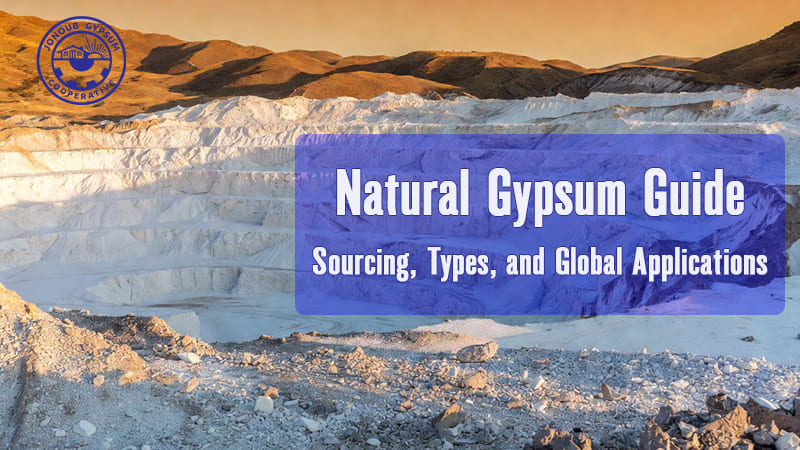
Unlike many manufactured construction materials, natural gypsum is a mineral that requires minimal energy to process. Extracted directly from the earth, it undergoes simple crushing and heating to produce gypsum plaster or wallboard. This means lower CO₂ emissions compared to cement or synthetic alternatives.
Moreover, gypsum is fully recyclable. When demolished, gypsum-based products can be ground and reused to create new plaster or boards without losing quality. This closed-loop life cycle reduces landfill waste and aligns perfectly with modern sustainability certifications such as LEED and BREEAM.
In essence, using natural gypsum supports both environmental preservation and long-term cost efficiency.
Comparing Natural Gypsum and Cement: The Green Advantage

Cement production is one of the largest sources of industrial carbon emissions worldwide. In contrast, producing gypsum plaster generates up to six times less CO₂, making it a much more sustainable choice.
Additionally, gypsum plaster doesn’t require as much water for application and sets faster, helping projects save resources and time.
For hot and dry climates, gypsum plaster offers another advantage — it naturally regulates indoor humidity, creating healthier and more comfortable environments. This combination of energy efficiency, resource conservation, and climate adaptability positions natural gypsum as a superior material for the buildings of tomorrow.
Jonoub Gypsum: Leading the Shift Toward Green Construction
As one of Iran’s top exporters of natural gypsum, Jonoub Gypsum plays a pivotal role in promoting sustainability across regional and international markets. The company sources gypsum from environmentally responsible quarries, ensuring minimal ecological disruption.
With a monthly export capacity exceeding 50,000 tons, Jonoub Gypsum supports developers, contractors, and importers seeking to meet the growing demand for eco-friendly construction materials.
Whether shipped as raw gypsum rock or fine gypsum powder, Jonoub ensures consistent quality, optimized logistics, and packaging solutions that reduce carbon footprint.
How Natural Gypsum Enhances Sustainable Architecture
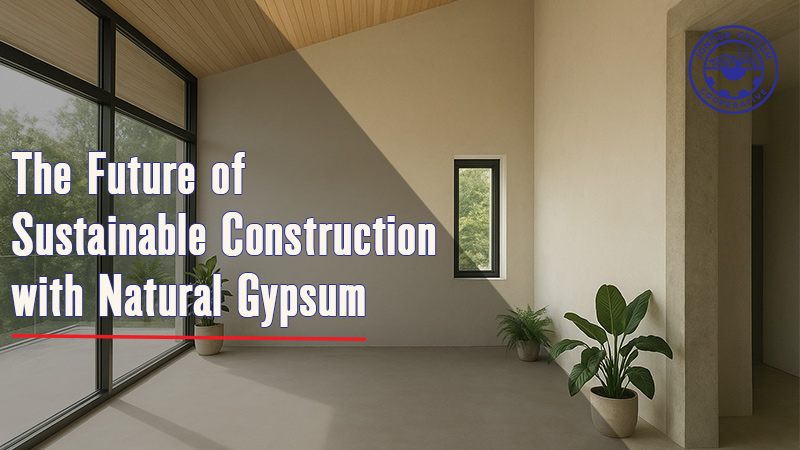
Green buildings are designed not just to save energy but to create healthier indoor spaces. Gypsum’s natural properties directly contribute to this goal.
- Thermal efficiency: Gypsum helps stabilize indoor temperature, reducing dependence on air conditioning or heating.
- Air quality: Its porous structure absorbs and releases moisture, maintaining balanced humidity levels.
- Non-toxic and fire-resistant: Gypsum plaster emits no harmful chemicals and provides an extra layer of fire protection, ensuring safety alongside sustainability.
These benefits make gypsum-based interiors more comfortable, durable, and environmentally responsible — qualities increasingly valued by both homeowners and corporate clients.
The Circular Economy: Recycling Gypsum for Endless Use

Sustainability isn’t just about using green materials — it’s about keeping them in use for as long as possible.
One of gypsum’s biggest advantages is that it can be recycled indefinitely. Recycled gypsum retains its chemical structure, meaning it performs just as well as newly mined material.
Forward-thinking companies, including Jonoub Gypsum, are exploring systems for collecting and reusing gypsum waste from construction sites and demolished buildings. This circular approach helps reduce mining activity, lower energy use, and build a truly sustainable construction cycle.
Conclusion: Building the Future with Natural Gypsum
The path toward sustainable construction is clear — and natural gypsum is at its core. It’s environmentally friendly, energy-efficient, recyclable, and cost-effective, offering a real solution to one of the construction industry’s biggest challenges: reducing carbon emissions without compromising performance.
As more builders, architects, and traders recognize its potential, Jonoub Gypsum stands ready to lead the transformation. With reliable supply, high-purity material, and eco-conscious production, the company is shaping a greener, stronger, and smarter future for global construction.